
Embark on a journey into the world of Sustainable DIY Projects, where creativity meets sustainability to inspire eco-friendly solutions and innovative designs.
Learn about the materials, techniques, and benefits of engaging in DIY projects that are both environmentally conscious and cost-effective.
Introduction to Sustainable DIY Projects
Sustainable DIY projects involve creating items or completing tasks using environmentally friendly materials and methods. These projects aim to reduce waste, conserve resources, and promote eco-friendly practices.
It is important to incorporate sustainability into DIY projects to minimize the impact on the environment, reduce carbon footprint, and promote a more conscious way of living. By using recycled materials, upcycling old items, or choosing renewable resources, individuals can contribute to a greener planet.
Examples of Materials in Sustainable DIY Projects
- Recycled paper and cardboard
- Upcycled glass jars and bottles
- Bamboo and cork
- Organic cotton and hemp fabrics
- Reclaimed wood
Benefits of Sustainable DIY Projects
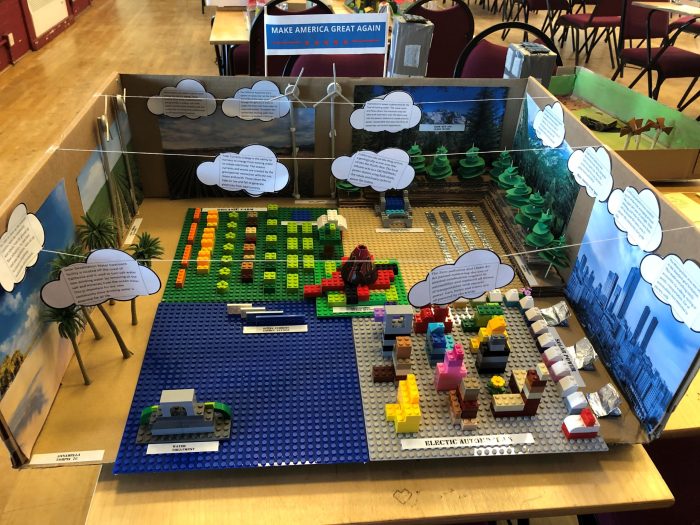
Engaging in sustainable DIY projects can bring about a variety of benefits, not only for individuals but also for the environment as a whole.
Environmental Benefits
Sustainable DIY projects contribute to the reduction of environmental impact by promoting the use of recycled materials, upcycling items, and minimizing waste generation. By reusing and repurposing materials, individuals can help conserve natural resources and reduce the demand for new production, ultimately lowering the carbon footprint.
Waste Reduction
One of the key advantages of sustainable DIY projects is the significant reduction in waste generation. By finding creative ways to use items that would otherwise be discarded, individuals can divert waste from landfills and contribute to a more sustainable waste management system. This not only benefits the environment but also helps in creating a more circular economy.
Cost-Saving Benefits
Opting for sustainable DIY projects can also lead to cost savings in the long run. By repurposing materials and creating items from scratch, individuals can avoid the need to purchase new products, thus saving money on buying expensive items. Additionally, DIY projects often require minimal resources and can be a cost-effective way to decorate, furnish, or repair items in a sustainable manner.
Materials for Sustainable DIY Projects
When engaging in sustainable DIY projects, it is essential to use materials that are eco-friendly and have a minimal impact on the environment. By choosing the right materials, you can contribute to reducing waste and promoting sustainability in your projects.
Eco-Friendly Materials for Sustainable DIY Projects
- Bamboo: Bamboo is a renewable resource that grows quickly and is biodegradable, making it an excellent choice for sustainable DIY projects such as furniture, decor, and crafts.
- Recycled Wood: Using recycled wood from old furniture, pallets, or construction sites can give a new life to materials that would otherwise end up in a landfill. It is perfect for creating unique and sustainable pieces.
- Cork: Cork is a sustainable material harvested from the bark of cork oak trees without harming the tree. It is lightweight, durable, and versatile, ideal for a variety of DIY projects.
- Recycled Fabric: Old clothing, linens, and textiles can be repurposed into new items such as bags, accessories, or home decor. By upcycling fabric, you can reduce waste and create one-of-a-kind pieces.
Repurposing Materials for Sustainable DIY Projects
- Mason Jars: Empty mason jars can be transformed into storage containers, candle holders, or vases. By repurposing glass jars, you can reduce the need for single-use plastics and create functional items for your home.
- Tin Cans: Tin cans can be upcycled into planters, organizers, or lanterns. By giving new life to tin cans, you can divert them from the landfill and add a unique touch to your DIY projects.
- Pallets: Old pallets can be disassembled and used to create furniture, planters, or wall decor. Repurposing pallets not only saves them from being discarded but also allows you to showcase your creativity in sustainable projects.
Durability and Longevity of Materials Used in Sustainable Projects
- Bamboo: Bamboo is known for its strength and durability, making it a long-lasting material for sustainable projects. Proper maintenance can extend the lifespan of bamboo items, reducing the need for replacements.
- Recycled Wood: Recycled wood, when treated and cared for properly, can be just as durable as new wood. Its rustic appearance adds character to DIY projects while contributing to sustainability.
- Cork: Cork is naturally resistant to water, mold, and mildew, making it a durable material for various DIY projects. With proper care, cork items can last for years, reducing the environmental impact of replacements.
Techniques for Sustainable DIY Projects
Incorporating sustainable practices into DIY projects is essential for reducing waste and promoting environmental consciousness. Here are some techniques to help you create sustainable DIY projects:
Upcycling Tips
- Look for items that can be repurposed instead of buying new materials.
- Get creative with old furniture, jars, or clothing to give them a new life.
- Consider using salvaged wood or metal for your projects.
- Explore thrift stores, garage sales, or online marketplaces for unique upcycling materials.
Energy-Efficient Techniques
- Opt for hand tools over power tools whenever possible to reduce energy consumption.
- Choose energy-efficient LED lighting for your workspace.
- Utilize natural light during the day to minimize the use of artificial lighting.
- Consider incorporating solar-powered elements into your DIY projects.
Sourcing Sustainable Materials
- Research and purchase materials that are eco-friendly and sustainably sourced.
- Look for certifications like FSC (Forest Stewardship Council) when buying wood products.
- Consider using reclaimed materials or sustainably harvested bamboo for your projects.
- Avoid single-use plastics and opt for biodegradable or recyclable materials whenever possible.
Inspiration for Sustainable DIY Projects
When looking for inspiration for sustainable DIY projects, there are endless possibilities that can be both creative and eco-friendly. One great way to find ideas is by drawing inspiration from nature itself, as it provides a wealth of materials and designs that can be incorporated into your projects. By combining aesthetics with sustainability, you can create unique and environmentally friendly pieces that showcase your creativity.
Using Natural Materials
One way to find inspiration for sustainable DIY projects is by utilizing natural materials such as wood, bamboo, cork, or even recycled materials like glass or metal. These materials not only add a touch of nature to your projects but also help reduce waste and promote eco-conscious practices.
Upcycling and Repurposing
Another great source of inspiration is upcycling and repurposing items that would otherwise be thrown away. By giving new life to old objects, you can create unique and sustainable pieces that have a story to tell. For example, turning old jars into candle holders or transforming pallets into furniture are great ways to combine creativity with sustainability.
Nature-Inspired Designs
Looking to nature for design inspiration can also lead to beautiful and eco-friendly DIY projects. Whether it’s incorporating leaf motifs into your artwork, using earth tones in your decor, or creating planters inspired by natural shapes, drawing from the beauty of the natural world can result in stunning and sustainable creations.
DIY Projects
DIY projects have gained immense popularity in recent years, with more people turning to hands-on activities to create unique and personalized items. When it comes to sustainability, DIY projects offer a great opportunity to repurpose materials, reduce waste, and promote eco-friendly practices.
Examples of Sustainable DIY Projects
There are numerous DIY projects that focus on sustainable practices, such as:
- Upcycling old furniture to give it a new life instead of buying new.
- Creating homemade cleaning products using natural ingredients to reduce chemical use.
- Building a compost bin for organic waste to create nutrient-rich soil for gardening.
- Repurposing glass jars and containers for storage instead of buying plastic alternatives.
Simple Sustainable DIY Project: Upcycled Tote Bag
Here is a step-by-step guide to creating an upcycled tote bag from old clothing:
- Choose an old t-shirt or jeans that you no longer wear.
- Cut the fabric to the desired size and shape for the tote bag.
- Sew the edges together to create the main body of the bag.
- Add handles by using fabric scraps or repurposed belts.
- Decorate the tote bag with buttons, patches, or embroidery for a personalized touch.
- Your upcycled tote bag is now ready to use for shopping or carrying your belongings!
In conclusion, Sustainable DIY Projects offer a unique opportunity to express creativity while making a positive impact on the environment. Dive into the world of eco-friendly DIY with inspiration and practical tips to kickstart your sustainable journey.
Query Resolution
What are some benefits of Sustainable DIY Projects?
Sustainable DIY Projects help reduce waste, promote environmental conservation, and offer cost-saving benefits compared to traditional methods.
How can I find inspiration for Sustainable DIY Projects?
You can find inspiration from nature, creative design websites, or by exploring the combination of aesthetics and sustainability in various projects.


