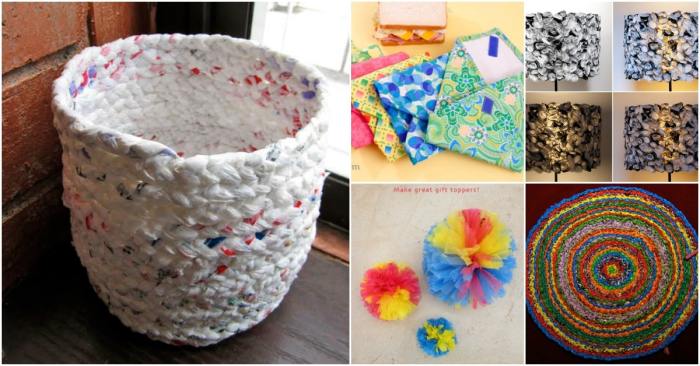
Embark on a journey through the world of DIY Upcycling Projects, where creativity meets sustainability. Discover how to breathe new life into old items and reduce waste in style.
Explore the endless possibilities of upcycling and learn how to transform mundane objects into unique treasures with a touch of ingenuity.
DIY Upcycling Projects

When it comes to DIY upcycling projects, the concept revolves around taking old or discarded items and transforming them into something new and useful. Upcycling is all about creativity, sustainability, and giving a new life to items that would otherwise end up in a landfill.
Common Items for Upcycling
There are numerous common items that can be upcycled, including:
- Old furniture
- Glass jars and bottles
- Clothing and fabric scraps
- Pallets
- Broken ceramics or tiles
Environmental Benefits of Upcycling
Upcycling has several environmental benefits, such as:
- Reduction of waste in landfills
- Conservation of raw materials
- Decrease in energy consumption for manufacturing new products
- Lower carbon footprint compared to recycling
Tips for Sourcing Materials
When sourcing materials for upcycling projects, consider the following tips:
- Visit thrift stores, garage sales, or flea markets for inexpensive items
- Ask friends and family for unwanted items they no longer need
- Check online marketplaces for free or cheap materials
- Repurpose items you already own before buying new materials
DIY Projects
DIY projects, short for Do-It-Yourself projects, involve creating, repairing, or modifying things without the direct help of professionals. These projects often require creativity, resourcefulness, and a hands-on approach.
DIY projects differ from upcycling projects in that while upcycling focuses on repurposing existing materials to give them a new life, DIY projects encompass a broader range of activities that may include building, crafting, or fixing items from scratch using various materials.
Tools and Materials
DIY projects commonly utilize a variety of tools and materials to bring ideas to life. Some popular tools include:
- Hammer
- Screwdriver set
- Drill
- Saw
Materials commonly used in DIY projects may include:
- Wood
- Nails and screws
- Paint and brushes
- Fabric and sewing supplies
Satisfaction and Benefits
Completing a DIY project can bring a sense of accomplishment and pride in creating something with your own hands. It allows for customization and personalization, as well as the opportunity to save money by doing tasks yourself instead of hiring professionals.
In conclusion, DIY Upcycling Projects offer a fun and eco-friendly way to unleash your creativity while making a positive impact on the environment. Start your upcycling journey today and see the magic of turning trash into treasure!
FAQ Overview
What is upcycling?
Upcycling is the process of repurposing old or discarded materials into new products of higher quality or value.
How can I source materials for upcycling projects?
You can find materials for upcycling projects by visiting thrift stores, garage sales, or even using items you already have at home.
What are the environmental benefits of upcycling?
Upcycling helps reduce waste, conserves resources, and minimizes the need for new raw materials, leading to a more sustainable way of living.


