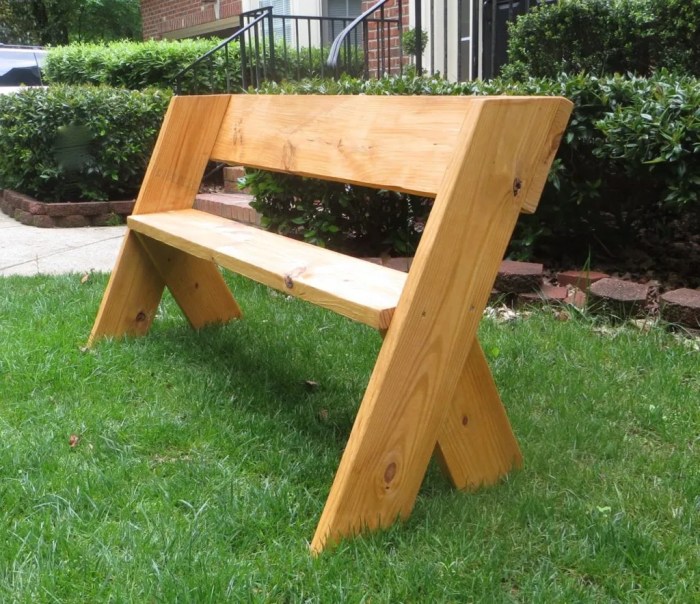
Embark on a journey into the world of DIY Woodworking Projects, where creativity meets craftsmanship in the most rewarding ways. Learn about the joy of creating with wood and uncover exciting projects that await your skillful touch.
Discover the wonders of woodworking as we delve into essential tools, wood selection, advanced techniques, and inspiring project ideas. Get ready to unleash your creativity!
DIY Woodworking Projects
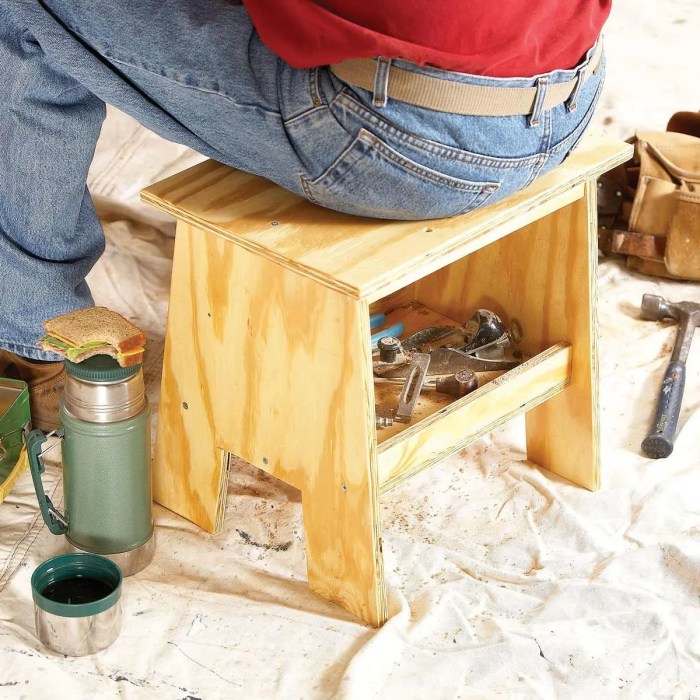
DIY woodworking involves creating wood items or structures using hand tools or power tools, often done as a hobby or to save money by making things yourself.
Benefits of Engaging in DIY Woodworking Projects
- Developing new skills and knowledge in woodworking techniques.
- Creating personalized and unique items for your home or as gifts.
- Saving money by building furniture or decor yourself instead of purchasing them.
- Enjoying a fulfilling and creative hobby that can reduce stress and boost mental well-being.
Popular Types of Woodworking Projects Suitable for Beginners
- Building a simple wooden shelf.
- Creating a wooden picture frame.
- Constructing a basic wooden planter box.
- Assembling a wooden serving tray.
Examples of Simple Woodworking Projects that Can be Completed in a Day
- Building a wooden wine rack for your kitchen or dining room.
- Constructing a wooden birdhouse for your garden.
- Creating a wooden key holder for your entryway.
- Assembling a wooden bench for your outdoor space.
Tools for DIY Woodworking
Woodworking projects require a variety of tools to help bring your creations to life. Whether you are a beginner or an experienced woodworker, having the right tools is essential to ensure successful and safe project completion.
Types of Saws Used in Woodworking
There are several types of saws commonly used in woodworking, each serving a specific purpose:
- Circular Saw: Ideal for making straight cuts in wood and plywood.
- Table Saw: Great for making precise cuts and rip cuts on large pieces of wood.
- Jigsaw: Perfect for cutting curves, circles, and intricate shapes.
- Miter Saw: Essential for making angled cuts, such as miter and bevel cuts.
Safety Precautions for Using Woodworking Tools
When using woodworking tools, safety should always be a top priority. Here are some important safety precautions to follow:
- Wear appropriate safety gear, including goggles, ear protection, and gloves.
- Keep your work area clean and well-lit to avoid accidents.
- Always use tools according to manufacturer instructions and guidelines.
- Disconnect power tools when not in use and when changing blades or bits.
Maintaining and Caring for Woodworking Tools
Proper maintenance and care of your woodworking tools can help prolong their lifespan and ensure optimal performance. Here are some tips to keep your tools in top condition:
- Regularly clean your tools after each use to prevent buildup of dust and debris.
- Store your tools in a dry place to avoid rust and corrosion.
- Sharpen blades and replace worn-out parts as needed to maintain cutting efficiency.
- Inspect tools for any damage or defects before each use to prevent accidents.
Wood Selection and Preparation
When it comes to DIY woodworking projects, selecting the right type of wood and properly preparing it are crucial steps in ensuring a successful outcome. Choosing the best wood for your project and preparing it correctly can make a significant difference in the final result.
Best Types of Wood for DIY Woodworking Projects
- Hardwoods like oak, maple, cherry, and walnut are popular choices for furniture making due to their durability and attractive grain patterns.
- Softwoods like pine, cedar, and fir are often used for more rustic or budget-friendly projects.
- Exotic woods such as mahogany, teak, and rosewood can add a unique and luxurious touch to your projects.
Choosing the Right Wood for the Project
- Consider the project’s intended use and location to determine the wood species that will best suit your needs.
- Take into account factors like hardness, grain pattern, color, and durability when selecting the wood for your project.
- Ensure the wood is properly dried and free of defects to prevent warping or cracking in the future.
Preparing Wood for a Woodworking Project
- Measure and cut the wood pieces to the required dimensions using a saw or other cutting tools.
- Use a planer and jointer to flatten and smooth the wood surfaces for a professional finish.
- Drill pilot holes for screws or nails to prevent splitting when assembling the project.
Properly Sanding and Finishing Wood
- Start with a coarse sandpaper grit and gradually work your way up to finer grits for a smooth finish.
- Apply a wood conditioner before staining to ensure even color absorption.
- Finish the wood with a clear coat or varnish to protect it from moisture and wear, giving it a polished look.
Advanced Techniques and Tips
When it comes to woodworking, mastering advanced techniques can take your projects to the next level. Understanding joinery, wood carving, precise measurements, and proper planning is crucial for achieving professional results. Here are some tips to help you elevate your woodworking skills:
Joinery
Joinery is a fundamental aspect of woodworking that involves connecting two pieces of wood together. There are various types of joints that serve different purposes, such as butt joints, dovetail joints, and mortise and tenon joints. Mastering joinery techniques is essential for creating strong and durable woodworking projects.
Wood Carving
Wood carving is a skill that adds intricate details and designs to your woodworking projects. Whether you’re creating decorative elements or sculptural pieces, understanding different carving techniques and tools can help you achieve stunning results. Practice and patience are key to mastering the art of wood carving.
Precise Measurements and Cuts
Accurate measurements and precise cuts are essential for ensuring that your woodworking project comes together seamlessly. Invest in quality measuring tools such as a tape measure, square, and marking gauge to achieve accuracy. Take your time to double-check measurements before making any cuts to avoid errors.
Proper Planning and Design
Proper planning and design are crucial steps in any woodworking project. Create detailed sketches or blueprints of your project before starting to ensure that you have a clear vision of the final outcome. Consider factors such as wood selection, dimensions, joinery techniques, and finishing options during the planning phase.
Troubleshooting Common Issues
Woodworking projects can sometimes present challenges such as wood splitting, inaccurate cuts, or assembly issues. Learning how to troubleshoot common problems can save you time and frustration. Stay calm, assess the situation, and use techniques such as sanding, gluing, or adjusting joinery to fix any issues that may arise.
DIY Projects Inspiration
When it comes to finding inspiration for new woodworking projects, there are numerous sources that can spark your creativity. Whether it’s browsing through woodworking magazines, exploring online platforms like Pinterest and Instagram, or simply taking a walk in nature, inspiration can come from anywhere.
Personalizing and Customizing Projects
One of the best ways to make your woodworking projects unique is by personalizing and customizing them. This can involve adding your own creative touch through different finishes, colors, or even incorporating meaningful designs or patterns that reflect your personality.
Upcycling and Repurposing Wood
- Transforming old furniture or wooden pallets into new pieces
- Creating wall art using reclaimed wood
- Turning discarded wooden items into functional decor pieces
Incorporating Woodworking into Home Decor
- Building custom shelves or storage units
- Designing unique picture frames or mirrors
- Crafting wooden planters or vases
As we conclude our exploration of DIY Woodworking Projects, remember that the possibilities are endless when you combine passion with skill. Whether you’re a novice or seasoned woodworker, there’s always something new to learn and create. Now, go forth and craft your masterpiece!
FAQ Insights
What are the benefits of DIY woodworking projects?
Engaging in DIY woodworking projects allows you to unleash your creativity, learn new skills, and create unique pieces tailored to your preferences.
How do I choose the right wood for my project?
Consider factors like durability, appearance, and workability when choosing wood. Popular options include pine, oak, and maple.
What safety precautions should I follow when using woodworking tools?
Always wear protective gear, follow tool instructions, keep work areas clean, and never leave tools unattended.
How can I personalize woodworking projects?
Add custom details like engravings, paint, or unique finishes to make your projects stand out and reflect your personal style.


