Embark on your DIY journey with essential tips for home repairs. From must-have tools to safety precautions and knowing when to seek professional help, this guide covers it all.
Explore beginner-friendly projects, learn step-by-step repair guides, and discover creative solutions to common household issues.
DIY Home Repair Tips

When it comes to DIY home repairs, having the right tools can make all the difference. It’s also important to consider safety measures before diving into any project. Knowing when to tackle a repair yourself and when to call in a professional is key to a successful outcome.
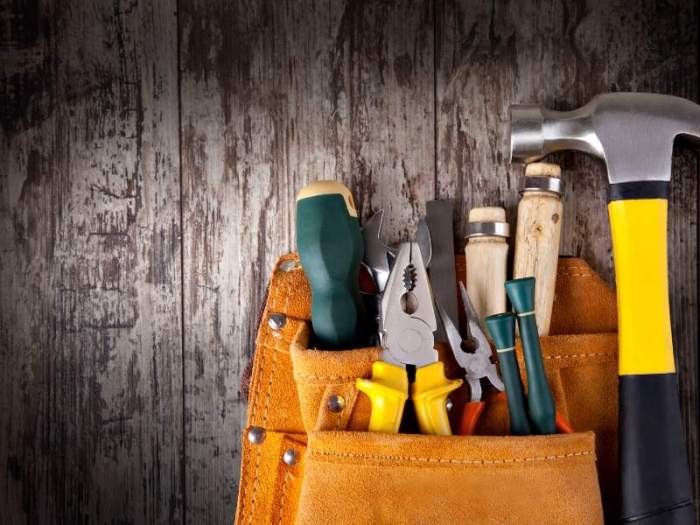
Essential Tools for DIY Homeowners:
- A good quality hammer for various tasks like hanging pictures or assembling furniture.
- A set of screwdrivers in different sizes and types to handle different types of screws.
- An adjustable wrench for tightening or loosening nuts and bolts.
- A tape measure for accurate measurements when working on projects.
- A cordless drill for drilling holes and driving screws efficiently.
Safety Measures to Consider:
- Always wear appropriate safety gear such as goggles, gloves, and a mask when working with tools or chemicals.
- Make sure to turn off the power before working on electrical repairs to avoid accidents.
- Keep a first aid kit handy in case of minor injuries during the repair process.
DIY vs. Professional Repairs:
- If the repair involves simple tasks like painting, patching drywall, or unclogging drains, it can usually be done DIY.
- For complex projects like electrical work, plumbing repairs, or structural issues, it’s best to hire a professional to ensure safety and quality.
- When in doubt, it’s always better to seek advice from a professional to avoid costly mistakes.
DIY Projects
Embarking on DIY home repair projects can be a fulfilling and cost-effective way to maintain and improve your living space. Here are some beginner-friendly DIY projects to get you started:
Fixing a Leaky Faucet
One common household issue that you can easily tackle as a beginner is fixing a leaky faucet. Follow these step-by-step instructions to resolve the problem:
- Turn off the water supply to the faucet.
- Plug the sink drain to prevent any small parts from falling down the drain.
- Remove the handle of the faucet to access the cartridge or valve.
- Inspect the cartridge or valve for any damage or wear and tear.
- Replace the damaged part with a new one, ensuring a secure fit.
- Reassemble the faucet handle and turn on the water supply to test for leaks.
Storage Organization Solutions
For those looking to improve storage organization within their home, consider these creative DIY solutions:
- Install floating shelves to maximize vertical storage space.
- Repurpose old crates or baskets for stylish storage containers.
- Use pegboards to hang tools or kitchen utensils for easy access.
- Create under-bed storage boxes to utilize space efficiently.
- Label bins and containers for easy identification of stored items.
Take charge of your home maintenance with confidence, armed with the knowledge and skills gained from these DIY home repair tips. Whether it’s a leaky faucet or storage conundrum, you’re now equipped to tackle it all.
Key Questions Answered
When should I call a professional for a repair?
It’s best to seek professional help for complex electrical or plumbing issues to avoid any safety hazards or costly mistakes.
What are some essential tools for DIY home repairs?
A basic toolkit should include a hammer, screwdrivers, pliers, tape measure, and a level for most common repair tasks.
How can I ensure safety during DIY home repair projects?
Always wear protective gear, follow instructions carefully, and double-check your work to prevent accidents or injuries.


