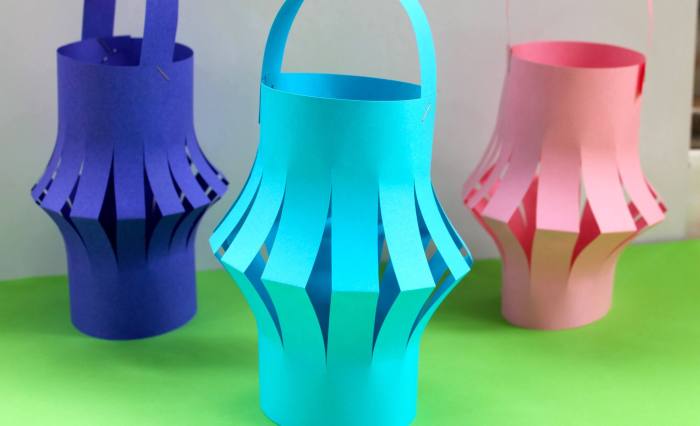
Embark on a creative journey with DIY Projects for Kids, exploring a world of fun and learning through engaging activities tailored for different age groups. From sparking imaginations to fostering problem-solving skills, these projects are bound to captivate young minds.
DIY Projects for Kids

DIY projects are a great way to keep kids engaged and foster their creativity. Here are some simple projects suitable for different age groups.
Age-Appropriate Projects
- For preschoolers: Finger painting, making paper plate animals, or creating homemade playdough.
- For elementary school kids: DIY slime, building a birdhouse, or designing their own t-shirts.
- For teenagers: Upcycling old clothes, creating a vision board, or building a DIY desk organizer.
Benefits of DIY Activities
- Encourages creativity and imagination.
- Develops problem-solving skills and critical thinking.
- Boosts self-confidence and sense of accomplishment.
Promoting Creativity and Problem-Solving
Engaging children in DIY projects allows them to think outside the box, experiment with different materials, and come up with unique solutions to challenges they encounter. This process not only enhances their creativity but also sharpens their problem-solving skills for future endeavors.
Materials and Tools
When engaging in DIY projects with kids, it is essential to have the right materials and tools to ensure both safety and creativity. Below is a list of essential items needed for common DIY projects for kids.
Essential Materials
- Construction paper: Used for various crafting activities such as making cards, origami, and collages.
- Glue stick: Perfect for sticking paper, cardboard, and other lightweight materials together.
- Scissors: Child-friendly scissors with blunt tips for cutting paper and other craft materials.
- Markers and crayons: Essential for drawing, coloring, and decorating projects.
- Pipe cleaners: Flexible and colorful, great for creating 3D shapes and figures.
Description of Materials
It is important to choose non-toxic materials that are safe for children to use.
Construction paper comes in various colors and sizes, making it versatile for different projects. Glue sticks are mess-free and easy for kids to handle. Child-safe scissors have blunt tips to prevent accidents. Markers and crayons are vibrant and washable, perfect for young artists. Pipe cleaners are bendable and can be twisted into different shapes.
Child-Safe Tools
- Safety scissors: Have rounded tips and ergonomic handles for easy grip.
- Safety goggles: Protect kids’ eyes when using tools like hammers and nails.
- Safety ruler: Non-slip and with raised edges to prevent accidental cuts.
Selecting Child-Safe Tools
Always choose tools specifically designed for children with safety features to prevent accidents.
Safety scissors should have rounded tips and comfortable handles for small hands. Safety goggles are crucial when using tools that may cause debris or splinters. A safety ruler with non-slip features and raised edges provides stability and prevents injuries.
Alternative Materials for Eco-Friendly Projects
- Recycled paper: Use old newspapers or magazines for a sustainable crafting option.
- Natural dyes: Create colors from ingredients like beetroot, turmeric, or spinach.
- Wood scraps: Reuse wooden pieces for building projects and decorations.
Safety Measures
Before starting a DIY project with kids, it is essential to consider safety precautions to ensure a safe and enjoyable experience.
Creating a Safe DIY Environment
- Choose a well-lit and spacious area with good ventilation for the DIY activities.
- Keep all sharp objects, chemicals, and potential hazards out of reach of children.
- Ensure that the work surface is stable and secure to prevent accidents.
- Provide children with appropriate safety gear such as goggles, gloves, and aprons.
- Instruct kids on how to use tools properly and supervise them closely during the project.
Importance of Adult Supervision
Adult supervision is crucial during DIY activities to prevent accidents and ensure that children follow safety guidelines.
- Adults should always be present when kids are handling tools or working with materials.
- Supervise children closely to intervene in case of any emergencies or unsafe practices.
- Teach kids to ask for help when needed and to never attempt risky tasks without adult supervision.
Teaching Kids about Safety
It is important to educate kids about safety measures while working on DIY projects to instill good habits and prevent accidents.
- Explain the importance of following safety rules and guidelines to children in a clear and simple way.
- Encourage kids to ask questions about safety and address any concerns they may have.
- Demonstrate safe practices yourself and lead by example to show children how to prioritize safety.
- Reinforce the importance of safety through positive reinforcement and praise when kids adhere to safety measures.
Educational DIY Projects
DIY projects can be a fantastic way to enhance learning in various subjects like science, math, and art. By incorporating educational elements into fun activities, kids can engage in hands-on experiments and projects that teach important concepts in a practical and engaging manner.
Science Experiments
Science experiments are a great way to bring classroom concepts to life. Here are some examples of hands-on projects that can teach important scientific principles:
- Create a volcano using baking soda and vinegar to demonstrate chemical reactions.
- Build a simple circuit using batteries, wires, and light bulbs to understand basic electrical concepts.
- Grow crystals using household items like salt or sugar to explore crystal formation.
Math Activities
Math doesn’t have to be boring! Incorporate math into DIY projects to make learning more engaging. Here are some ideas:
- Use LEGO bricks to teach addition, subtraction, multiplication, and division in a hands-on way.
- Create geometric shapes using art supplies like colored paper or clay to learn about shapes and angles.
- Measure ingredients and follow recipes in the kitchen to practice fractions and measurements.
Art Projects
Art projects can also be educational by teaching kids about different artistic techniques and styles. Here are some ways to incorporate art into DIY activities:
- Explore color mixing by painting with primary colors to learn about secondary colors.
- Create a collage using recycled materials to understand the importance of sustainability in art.
- Try printmaking techniques like stamping or stenciling to learn about patterns and repetition in art.
Benefits of Educational DIY Projects
Engaging in educational DIY projects can have several benefits for kids, including:
- Enhancing critical thinking and problem-solving skills through hands-on experimentation.
- Encouraging creativity and innovation by allowing kids to explore and express themselves in different ways.
- Reinforcing classroom learning by applying theoretical concepts in practical, real-life scenarios.
In conclusion, DIY Projects for Kids offer a blend of creativity, education, and safety, making them an ideal way to keep children entertained while nurturing their skills. Encourage your little ones to explore, create, and learn with these exciting DIY endeavors.
Frequently Asked Questions
Is it safe for kids to engage in DIY projects?
Yes, as long as proper safety measures are followed, DIY projects can be a safe and enriching experience for kids.
How can parents choose age-appropriate DIY projects for their children?
Parents can consider their child’s age, interests, and skill level when selecting DIY projects to ensure they are engaging and suitable.
What are the benefits of educational DIY projects for kids?
Educational DIY projects help children learn new concepts in a hands-on way, making learning fun and interactive.


